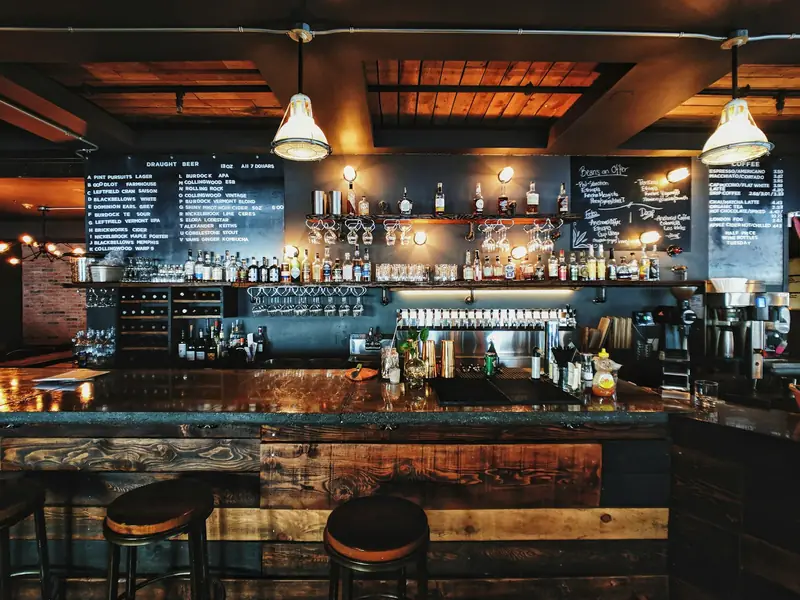
Bar financing in Memphis has to fit a nightlife scene built on live music. A blues club on Beale Street, a neighborhood tavern in Cooper-Young and a taproom on Broad Avenue all serve drinks, but their costs, customers and cash flow look very different to a lender. This page covers how Memphis bars, clubs and taprooms finance renovations, equipment and growth. For the city’s broader economy, see the Memphis city page.
The Memphis bar landscape
Beale Street is the city’s best-known nightlife strip, where clubs book live blues and rock and draw visitors from around the world. Bars there depend heavily on tourism, conventions and events, and many operate in historic buildings with stages and sound systems to maintain. Nearby, downtown bars fill before and after Grizzlies games at FedExForum. Midtown offers a more local scene: Overton Square pairs bars with theaters, Cooper-Young has long-running neighborhood taverns and cocktail spots, and Broad Avenue leans toward breweries and taprooms. South Main adds cocktail bars near the galleries and the National Civil Rights Museum.
Spirits also have a local home. Old Dominick Distillery operates downtown on Front Street and Blue Note Bourbon runs a distillery on Royal Avenue, so bar owners can build programs around Memphis-made whiskey. Producers themselves can explore distillery financing, and taprooms can look at brewery financing.
What Memphis bars commonly finance
- Stage, sound and lighting for live-music rooms, through equipment financing.
- Historic building renovations, including electrical, restrooms and fire safety work, using construction and renovation loans.
- Patios and courtyards, which extend capacity in a warm climate for much of the year.
- Buying an existing bar, often with an SBA loan, keeping in mind that a new owner generally applies for its own permits and licenses.
- Inventory and staff for big event stretches such as Memphis in May and game nights, often with a business line of credit.
Licensing in Memphis
Beer permits inside city limits are regulated by the Memphis Alcohol Commission, which meets on the first and third Wednesdays of each month. Applications go through the City of Memphis permits office with a $250 application fee and a public-notice sign, according to the city’s posted application. Spirits, wine and high-gravity beer by the drink require a license from the Tennessee Alcoholic Beverage Commission, which offers several license types depending on how much of your revenue comes from food. SBA program questions can go to the SBA’s Memphis virtual office by phone or to the Tennessee District Office in Nashville by appointment, and the Tennessee Small Business Development Center runs free planning sessions in Memphis.
Picking the right financing
The fundamentals of bar financing and nightclub financing are covered on our main pages. Fast options such as a merchant cash advance can bridge a short gap, but daily remittances and higher total cost can strain a bar with uneven weeks, so compare them against term loans and lines of credit. Bars with full kitchens should also read restaurant loans in Memphis.
Questions owners ask
How do bars in Memphis get financing?
Memphis bars typically combine equipment financing for stages, sound and draft systems, renovation or SBA loans for build-outs and acquisitions, and a line of credit for event-driven inventory. Expect a lender to study your recent statements, how long the bar has operated, any existing advances and your credit. A broker presents one application to several lenders and helps compare the total cost of each offer.
Who issues liquor licenses in Memphis?
Memphis bars usually need two approvals. The Memphis Alcohol Commission regulates beer permits within city limits, with applications filed through the city permits office. The Tennessee Alcoholic Beverage Commission issues liquor-by-the-drink licenses for spirits, wine and high-gravity beer. Staff serving alcohol also need state server permits, so plan training into your opening schedule.
Can a Memphis bar finance a patio or remodel?
Yes. Courtyards, patios and reworked bar layouts are common projects, financed through renovation loans, SBA loans or equipment financing. Bring bids from your contractor, written landlord consent if you rent and a realistic read on what the city will permit. Historic buildings downtown and in Midtown can hide structural or electrical issues, so include a contingency in the budget.
Do lenders fund cash-heavy Memphis bars?
Yes, when the revenue is documented. Lenders size offers from what they can verify in your business bank statements, so cash that is never deposited will not count. Depositing all receipts, keeping POS reports that match deposits and avoiding personal-business commingling helps a cash-heavy bar qualify for better terms and larger amounts.
Related pages
Head to the Memphis city page for the bigger picture, or pick another city from the Tennessee hub. When you are ready, check what you qualify for.