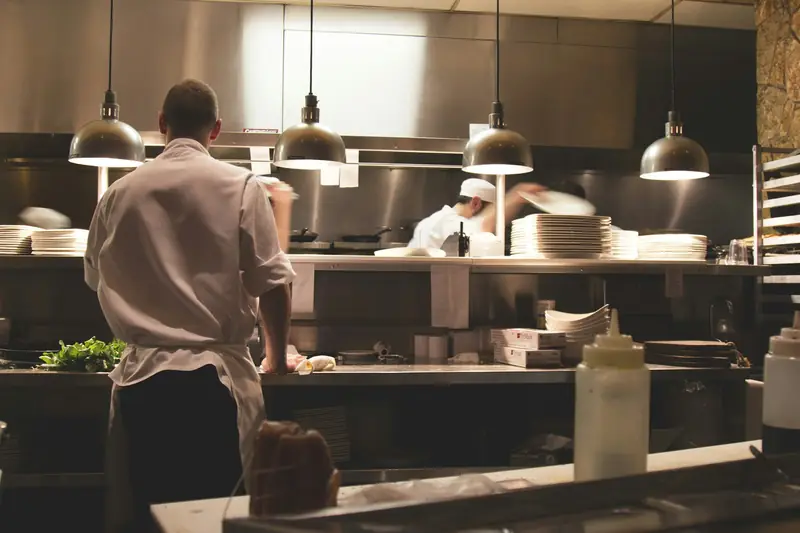
How equipment financing works
Equipment financing pays for a specific piece of equipment, or a package of it, and uses that equipment as collateral. You make regular payments over a term that usually tracks the useful life of what you are buying. Because the lender can recover the equipment if payments stop, equipment financing is often easier to qualify for than an unsecured loan of the same size, and it keeps your cash available for payroll, inventory and opening costs.
There are two main structures:
- Equipment loan. You own the equipment from day one, and the lender holds a lien until it is paid off.
- Equipment lease. The lender owns the equipment and you pay to use it. At the end you may buy it (often for a nominal amount on a “$1 buyout” lease, or at fair market value), return it, or upgrade.
Which is better depends on how long you will use the equipment, whether it becomes obsolete, and how your accountant wants it on the books. Tax treatment, including Section 179, is a question for your CPA, not your lender.
What hospitality businesses finance
This page covers the loan mechanics across hospitality. For a restaurant-specific equipment list, see restaurant equipment financing.
- Kitchens: hood and fire-suppression systems, ranges, combi ovens, fryers, walk-in coolers and freezers, dish machines, prep tables
- Bars: draft systems, glycol chillers, ice machines, back-bar refrigeration, glass washers
- Front of house: POS hardware, furniture, sound and lighting, patio heaters and enclosures
- Breweries: brewhouses, fermenters, brite tanks, canning lines and keg washers (see brewery financing)
- Distilleries: stills, mash tuns, bottling lines and barrel storage (see distillery financing)
- Coffee and catering: espresso machines, roasters, refrigerated vans and mobile kitchens
Used equipment can often be financed too, though some lenders limit terms on older or highly specialized items.
What lenders look at
Equipment lenders care about two things: you and the equipment.
- The business. Time in business, monthly revenue from bank statements, existing debt and personal credit. Established operators often qualify with an application and a few months of statements for smaller amounts. Larger packages need financial statements.
- The equipment. A vendor quote or invoice with make, model and price, whether it is new or used, and how easy it would be to resell. Common commercial kitchen equipment is easier to finance than one-of-a-kind custom fabrication.
- Soft costs. Installation, delivery, electrical and plumbing work can sometimes be included, but lenders limit how much of a deal can be non-equipment costs. Ask before you sign the vendor contract.
What drives the cost
Rates and terms depend on the lender and your file, so we do not publish them. The main drivers are your credit and time in business, the type and age of the equipment, the term length, the down payment (if any), and whether it is a loan or a lease. Vendor-arranged financing is convenient but not always the cheapest; it is worth comparing against independent lenders before you sign.
Equipment financing in Colorado and Tennessee
Local building and health requirements affect equipment budgets. A Denver or Boulder build-out in an older building can trigger hood, grease interceptor and electrical upgrades that cost more than the cooking line itself. Colorado’s craft beer and spirits scene, from Fort Collins breweries to Denver distilleries, makes production equipment financing a regular request. In Tennessee, Nashville and Chattanooga distilleries and a long list of Middle Tennessee breweries finance stills, tanks and packaging lines, while fast-growing suburbs like Smyrna and Lebanon see full kitchen packages for new builds.
When equipment financing is the right call
- You are opening a second location and want to save cash for opening payroll
- A critical piece of equipment failed and you need a replacement fast
- You are a newer business and unsecured loans are not available yet; equipment financing is one of the more accessible options for startup restaurants
- You want to keep an SBA or bank loan smaller by financing equipment separately
Questions owners ask
Can you finance used restaurant equipment?
Often, yes. Many lenders finance used commercial kitchen and bar equipment, especially common items with resale value like walk-ins, ranges and refrigeration. Terms may be shorter than for new equipment, and some lenders want the seller to be a dealer rather than a private party. We match used-equipment purchases to lenders that are comfortable with them.
Does the equipment serve as collateral?
In most equipment loans and leases, yes. The lender holds a lien on the equipment (or owns it, in a lease) until it is paid off. That built-in collateral is why equipment financing is often easier to get than an unsecured loan. Some lenders also ask for a personal guarantee, especially for newer businesses or larger amounts.
Should I lease or finance kitchen equipment?
Finance equipment you plan to keep for its full useful life, like a walk-in or a hood system. Leasing can make sense for items that become outdated quickly, like POS hardware, or when you want lower payments and the option to upgrade. Compare the total cost of each option, and ask your accountant how each affects taxes.
What credit score do I need for equipment financing?
There is no single minimum. Each lender sets its own, and the equipment itself lowers risk. Stronger credit gets better terms and more lender choices, while lower scores may mean a larger down payment, a shorter term or a higher cost. Time in business and steady deposits can offset a weaker score with some lenders.
Can installation costs be included?
Sometimes. Lenders often allow a portion of soft costs like delivery, installation and some electrical or plumbing work, but they cap it because those costs have no resale value. Get the vendor quote to list equipment and installation separately, and confirm with us before signing so the financing covers what you expect.