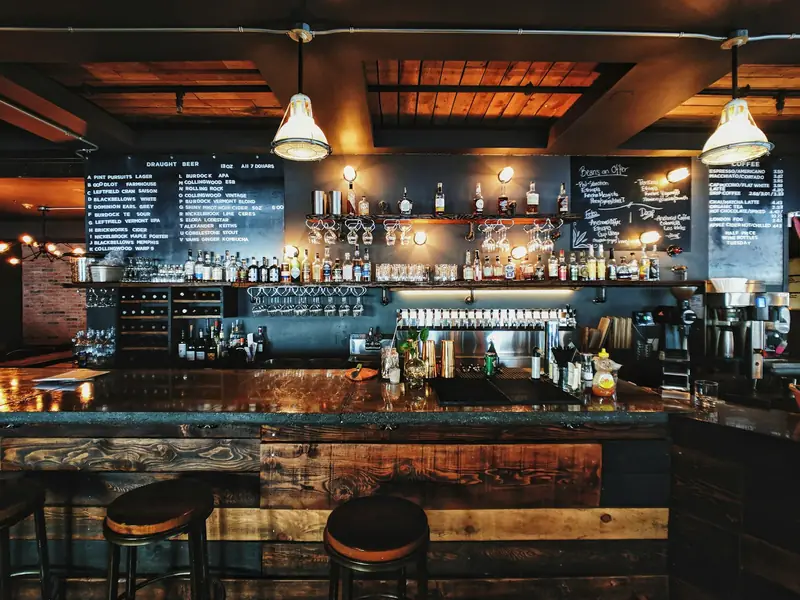
Denver is a consolidated city and county, so a restaurant or bar here answers to one local government for zoning, health and liquor approvals. Restaurant Finance Network, a division of Alternative Finance Network, is based in the Denver area and takes one application from Denver hospitality owners to banks, credit unions and private lenders so offers can be compared side by side.
Denver at a glance
- Population: 740,613 (U.S. Census Bureau, Vintage 2025 estimate for July 1, 2025; the 2020 Census counted 715,522).
- County: Denver (the City and County of Denver).
- Where people eat and drink: LoDo and Union Station, Larimer Square, the River North Art District (RiNo) along Larimer, Walnut and Blake streets, Lower Highland (LoHi), Highland Square, Tennyson Street in Berkeley, South Broadway, South Pearl Street, Cherry Creek and East Colfax.
- SBA coverage: the SBA Colorado District Office at 721 19th St., Suite 426, which serves all 64 Colorado counties.
What drives the Denver restaurant and bar trade
Visit Denver reported a record 37.6 million domestic visitors in 2025 and $10.5 billion in visitor spending, based on Longwoods International research. The same study found overnight visits spread fairly evenly across the year, with a slight lean toward summer, which is part of why Denver operators can plan around conventions and ballgames instead of a single short season. The Colorado Convention Center, the rebuilt 16th Street and Denver International Airport keep business travelers moving through downtown, while Coors Field anchors the Ballpark blocks on game nights.
The neighborhood map matters as much as the visitor count. LoDo and Larimer Square trade on historic brick buildings and destination dining. RiNo grew out of warehouses and rail yards, so build-outs there often start with raw industrial space. LoHi sits on the bluff across the South Platte and is known for rooftop patios with skyline views, and Tennyson Street and South Broadway lean toward independent, neighborhood-scale rooms. Restaurant quality draws national attention too: the MICHELIN Guide began covering Colorado in 2023 and expanded to a statewide selection in 2026.
Beer runs deep here. Wynkoop Brewing opened in LoDo in 1988 and is generally credited as Colorado’s first brewpub, and the Great American Beer Festival is held in Denver every fall (in 2026 it moved outdoors to Levitt Pavilion in Ruby Hill). Craft distilleries such as Leopold Bros., Laws Whiskey House and Stranahan’s also call the city home.
Financing that fits Denver operators
- Expansion loans for a proven concept that wants a second room in another neighborhood or a suburb.
- Construction and renovation loans for warehouse conversions in RiNo or code upgrades inside a century-old LoDo storefront.
- SBA loans when the plan involves buying an existing restaurant or the building it occupies and a longer repayment schedule helps.
- Equipment financing for hoods, ovens, walk-ins and brewing tanks; see also restaurant equipment financing.
- A business line of credit to cover payroll and inventory around convention weeks and the winter slowdown on patios.
- Brewers and distillers can start with brewery financing or distillery financing.
For a closer look, read our Denver pages on restaurant loans in Denver and bar financing in Denver.
Growing past one Denver location
Many Denver groups prove a concept in one neighborhood and then open a second unit where rent is lower or rooftops are newer, from Aurora to the south suburbs. Lenders weighing that move study the first location’s deposits, time open and how much cash the owner keeps after both rents are paid during ramp-up. Groups planning a third or fourth unit should read about multi-location restaurant financing, where lenders review the whole portfolio.
Licensing and local help in Denver
Denver’s Department of Licensing and Consumer Protection (formerly Excise and Licenses) accepts local liquor applications, and the Colorado Liquor Enforcement Division in the Department of Revenue issues the matching state license afterward. Denver lets applicants submit evidence of neighborhood need and desire up front, and registered neighborhood organizations receive notice, so early outreach can head off a hearing. Free one-on-one advising is available through the Colorado SBDC serving Denver Metro, hosted by Red Rocks Community College.
Questions owners ask
What financing do Denver restaurants use most?
It depends on the stage. New concepts often combine an SBA loan or term loan with equipment financing for the kitchen, while established operators lean on expansion loans and lines of credit to open a second room or smooth seasonal swings. A broker can compare those options at once from one application and three months of bank statements.
Where do I get a liquor license in Denver?
Start with the City and County of Denver’s Department of Licensing and Consumer Protection, which reviews the local application, notices neighbors and decides whether a hearing is needed. The state license is a second, separate approval from the Colorado Liquor Enforcement Division. Lenders financing a new Denver bar or restaurant usually want to see that application moving before they fund.
How does Denver’s seasonality affect cash flow?
Denver is steadier than mountain towns because conventions, sports and leisure travel spread visits across the year. Patio-heavy restaurants still feel cold snaps, and some neighborhoods slow down between big events. Many owners keep a line of credit open for those softer weeks instead of taking a lump-sum loan they only need for a short stretch.
Nearby cities
Head back to the Colorado hub or compare notes for Aurora, Lakewood and Arvada. Ready to see options? Check what you qualify for.