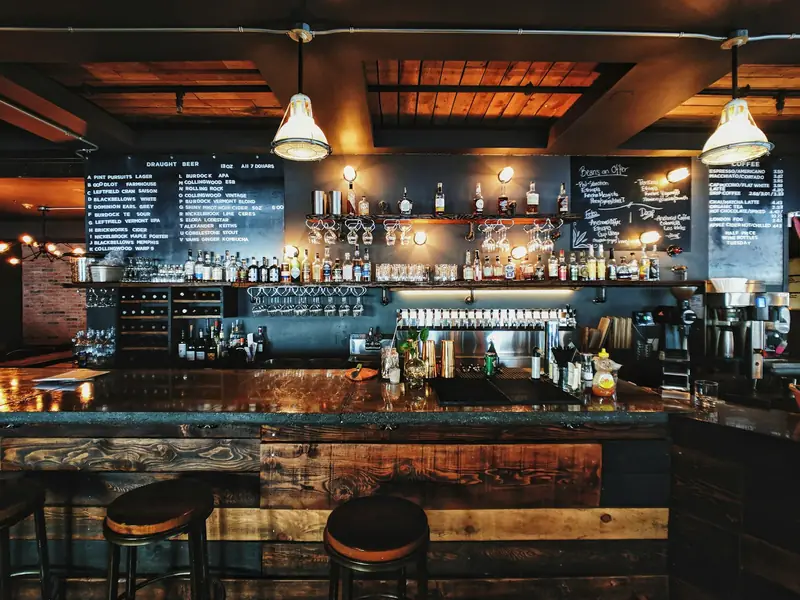
Denver’s bars range from LoDo sports bars that fill before Rockies games to RiNo taprooms, LoHi rooftop lounges, Colfax dives and South Broadway music rooms. Financing a bar here means planning around liquor licensing, entertainment rules and neighborhood input as much as the build-out itself. For the citywide overview, see our Denver city page.
Denver’s bar market at a glance
The Census Bureau’s 2023 County Business Patterns counted 242 drinking places (NAICS 7224) with paid employees in Denver County, employing 3,911 people. That count covers bars, taverns and nightclubs whose main business is serving drinks; production breweries with taprooms and restaurants with large bars are counted in other industry codes, so the real competitive set is larger.
Craft beer shapes the scene. Wynkoop Brewing, which opened in LoDo in 1988, is generally credited as Colorado’s first brewpub, and the Brewers Association counted 423 craft breweries operating in Colorado in 2025, the fifth-highest total in the country. The Great American Beer Festival returns to Denver every fall and moved outdoors to Levitt Pavilion in 2026.
Licensing realities that affect a loan
Liquor license type. Colorado’s tavern license requires light snacks and sandwiches to be available during business hours, while a hotel and restaurant license requires a real meal program. Brew pub and distillery pub licenses exist for producers who sell on site. Picking the right class early keeps the floor plan and the loan budget aligned.
Neighborhood need and desire. Denver’s Department of Licensing and Consumer Protection notifies registered neighborhood organizations and city council members about new applications, and a hearing may be held if substantial objections or requests arrive. Applicants can submit evidence of support up front, so meeting neighbors before filing is time well spent.
Entertainment licensing is changing. Today, Denver bars with live music, DJs, karaoke or patron dancing need a cabaret license. In August 2026 the city adopted an ordinance replacing cabaret and amusement licenses with Limited, Nightlife and Adult Entertainment Business licenses, effective April 1, 2027, and directed rules on security plans and video surveillance for nightlife businesses. Budget for cameras, security staffing and possible design changes if your concept includes entertainment.
What Denver bars typically finance
- Remodels, patios and rooftop decks through construction and renovation loans.
- Draft systems, glycol lines, ice machines and coolers through equipment financing.
- Buying an existing bar with its license transferred, often with SBA loans.
- Brewing tanks and taproom build-outs through brewery financing, or stills and bottling lines through distillery financing.
- Late-night venues with heavier security and sound costs, covered on our nightclub financing page.
- Seasonal swings around baseball season and big events through a business line of credit.
Applying as a bar owner
Lenders want to see consistent bank deposits, so run card and cash sales through your business account. Complete the short application, then upload your three most recent months of business bank statements. If you are buying a bar, add the purchase agreement and the seller’s recent financials.
Questions owners ask
Who issues liquor licenses in Denver?
Denver’s Department of Licensing and Consumer Protection reviews local applications, sends notice to registered neighborhood organizations and decides whether a hearing is needed. The Colorado Liquor Enforcement Division then handles the state license. Many Denver bars also need an entertainment license if they offer live music, DJs or dancing, and those rules change on April 1, 2027.
Can a Denver bar finance a patio or remodel?
Yes. Patios, rooftop decks and interior remodels can be funded with renovation loans, term loans or SBA loans, depending on the size of the project and your history. Lenders will want contractor bids, landlord approval and recent bank statements. Changes to the licensed premises may also need approval before the new space can serve alcohol.
Do lenders fund cash-heavy Denver bars?
Many do, but they underwrite from what they can verify. Deposits that appear in your business bank account count; cash that never reaches the bank generally does not. Bars that deposit cash consistently and keep clean point-of-sale records usually have more options. Three months of statements is the starting point most lenders ask for.
More Denver and Colorado resources
See restaurant loans in Denver, go back to the Colorado hub, or compare bar financing in Colorado Springs. Ready to see options? Check what you qualify for.