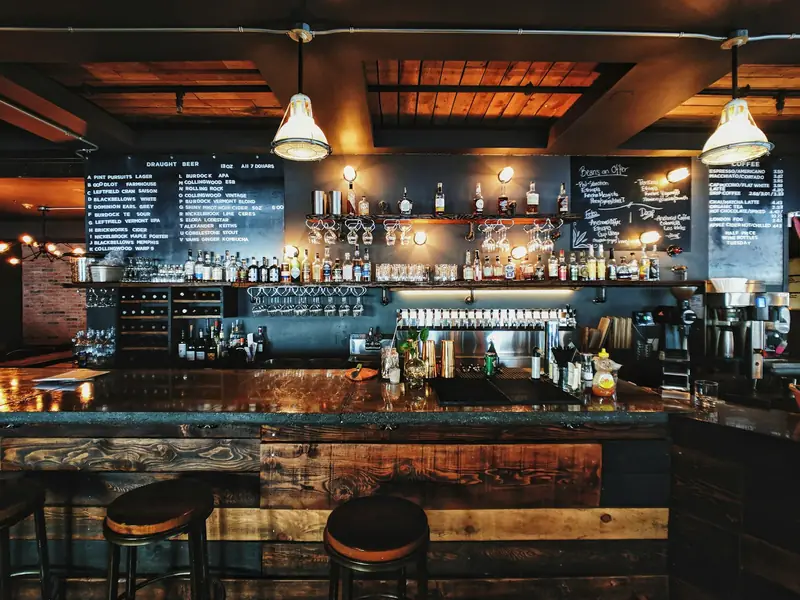
Bar financing in Nashville covers everything from a multi-level honky-tonk on Lower Broadway to a twelve-stool cocktail bar in East Nashville. The money needs are different, and so are the risks lenders see. This page is about how Nashville bars and live-music rooms finance renovations, equipment and growth. Tourism, healthcare and the rest of the local economy are covered on the Nashville city page.
How Nashville’s bar economy shapes lending
Downtown bars live on volume. Honky-tonks along Broadway book live bands from late morning into the night, so they carry the cost of stages, sound systems and musicians on top of the usual bar overhead. Rooftop bars in The Gulch and SoBro depend on weather and hotel traffic. Printers Alley offers a smaller, historic setting just off the main strip. Out in the neighborhoods, Midtown’s Elliston Place, East Nashville’s dive and cocktail bars and Wedgewood-Houston’s newer rooms lean on regulars rather than tourists.
That split matters to lenders. Downtown venues can show strong deposits but sharp swings tied to concerts, Predators games at Bridgestone Arena, NFL weekends and CMA Fest. Neighborhood bars tend to show smaller but steadier sales. Either can be financed, but the structure should match the cash-flow pattern your bank statements reveal.
What Nashville bars commonly finance
- Sound, lighting and stage equipment for live-music rooms, often through equipment financing.
- Draft systems, coolers, ice machines and bar fixtures.
- Rooftop and patio build-outs, which can involve structural work, railings, weather protection and extra permits.
- Renovating older buildings downtown and in East Nashville, using construction and renovation loans.
- Buying an existing bar, frequently with an SBA loan.
- Inventory and staffing ahead of big event weekends, a natural fit for a business line of credit.
Licensing points that affect financing
Tennessee splits alcohol oversight. The Tennessee Alcoholic Beverage Commission issues liquor-by-the-drink licenses for spirits, wine and high-gravity beer and offers several types, including restaurant, limited service restaurant and club licenses. The right type depends on your food-to-alcohol mix, so confirm it with the commission before signing a lease. Ordinary beer requires an on-site sales permit from the Metro Beer Permit Board, and anyone serving alcohol needs a state server permit. When you buy an existing bar, plan for the buyer to apply for its own licenses; lenders will want to know that is in motion before closing. For a second opinion on a bar business plan, the Tennessee Small Business Development Center at Tennessee State University offers free sessions, and SBA program questions go to the SBA Tennessee District Office on International Plaza Drive.
Choosing the right structure
Our general bar financing and nightclub financing pages cover the basics. In Nashville specifically, owners often weigh a line of credit for event-driven inventory against faster products like a merchant cash advance or revenue-based financing. Those can be quicker, but they usually cost more and take payments from daily sales, so compare total payback carefully. Bars that also serve full menus can review restaurant loans in Nashville.
Questions owners ask
How do bars in Nashville get financing?
Nashville bars use a mix of SBA loans for acquisitions and larger projects, equipment financing for sound systems and bar equipment, renovation loans for build-outs and lines of credit for event-driven inventory. Lenders review recent bank statements, time in business and existing debt. A broker can present one application to several lenders and compare the offers.
Who issues liquor licenses in Nashville?
The Tennessee Alcoholic Beverage Commission, based in Nashville, issues liquor-by-the-drink licenses for spirits, wine and high-gravity beer, with different license types depending on how the business operates. The Metro Beer Permit Board handles ordinary beer on its own track. Bartenders and servers also need state server permits. Lenders usually ask about license status before funding.
Can a Nashville bar finance a patio or rooftop remodel?
Yes. Renovation loans, SBA loans and equipment financing can cover patio and rooftop projects, including structural work, furniture, heaters and bar stations. Lenders will want contractor bids, landlord approval if you lease and evidence that permits are obtainable. Rooftop work in older buildings may need engineering review, so build extra time into the budget.
Do lenders fund cash-heavy Nashville bars?
They can, but they underwrite what they can verify. Lenders rely on bank statements, so cash sales that never reach your business account will not count toward your revenue. Depositing all receipts, keeping POS reports that match deposits and separating personal and business accounts gives lenders the clear picture they need to offer better terms.
Related pages
Browse every city on the Tennessee hub or read the full Nashville overview. When you are ready, check what you qualify for.